


In the world’s best hotels, nature is not a decorative afterthought — it is a carefully considered part of the guest experience, shaping how people feel from the moment they arrive.
When done well, biophilic design creates spaces that feel calm, welcoming, and memorable. It supports guest happiness in subtle but powerful ways, influencing mood, comfort, and even how long people choose to stay and return.
So what do the best hotels get right?
Biophilic design supports the guest journey
Exceptional hotels think about planting as part of the entire guest journey, not just the lobby. Arrival spaces set the emotional tone, while restaurants, lounges, corridors, spas, and even lifts benefit from thoughtful integration of greenery. When planting flows naturally through a building, guests experience a sense of continuity and ease — a feeling that the space has been designed with care.
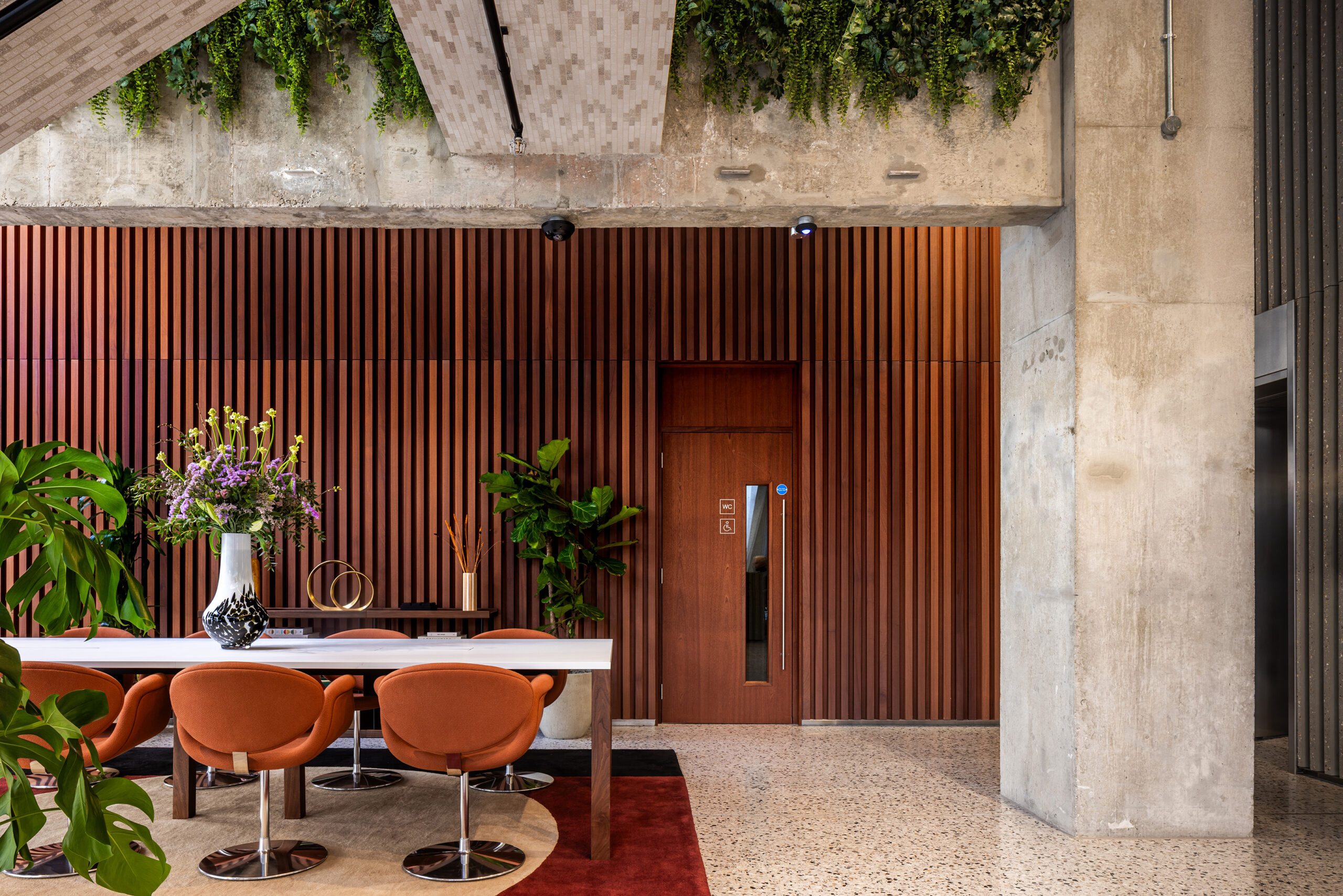
Schemes are designed to age beautifully
The most successful biophilic design for hotels is created with longevity in mind. Rather than peaking on opening day, planting schemes are selected to mature gracefully, becoming richer and more characterful over time. This approach avoids tired or neglected displays and ensures spaces continue to feel fresh and considered years after launch.
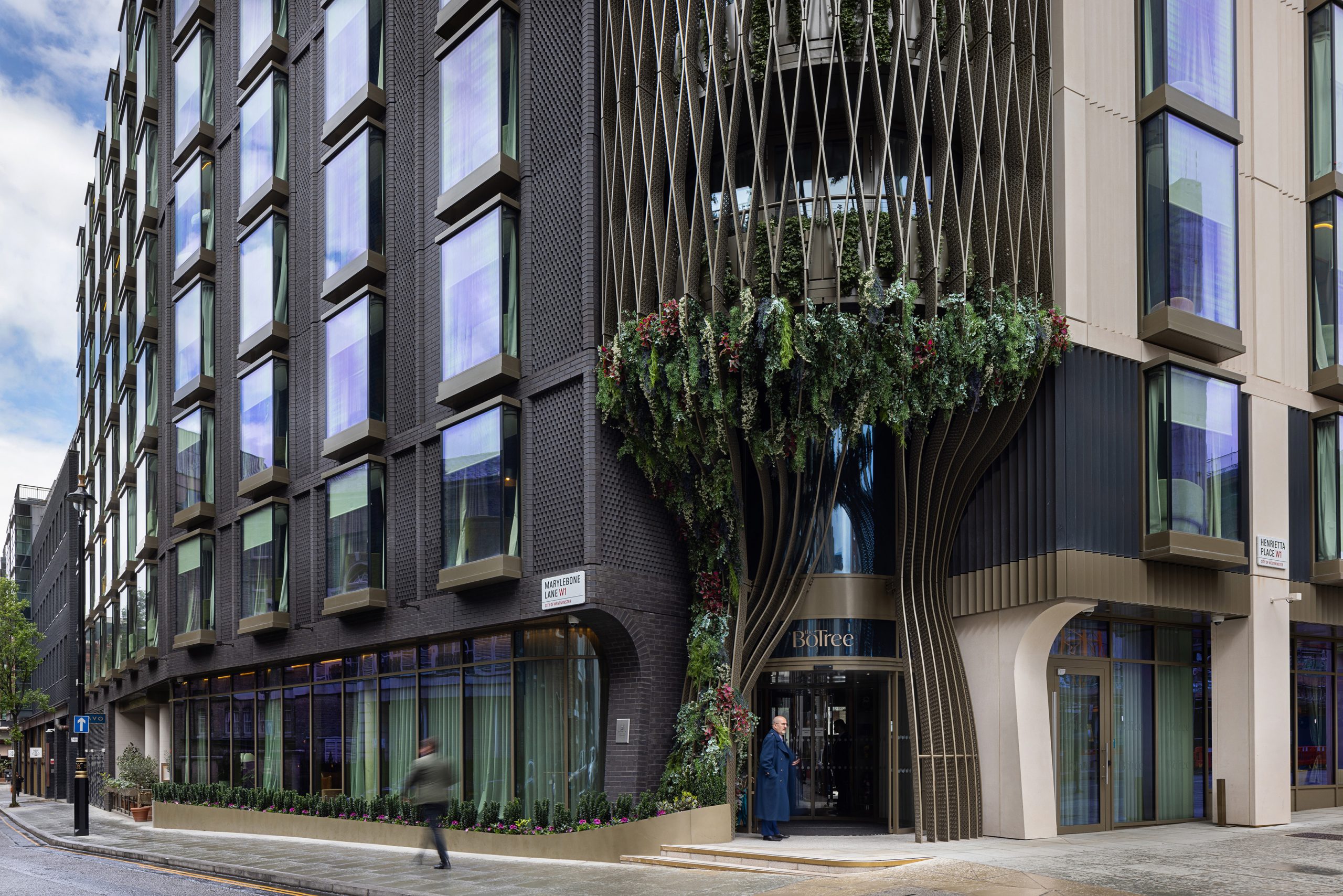
Maintenance is planned from day one
Great biophilic design is never just about installation. Hotels that get it right plan maintenance from the outset — considering access, plant health, irrigation, and replacement cycles. Well-maintained planting sends a quiet but powerful message to guests: this space is cared for, and so are they.

Light, airflow, and acoustics are part of the design
Plants don’t exist in isolation. Light levels, air movement, and acoustics all influence how a space feels. Softened sound, improved air quality, and natural light filtered through greenery can dramatically reduce stress and enhance comfort — particularly in busy social spaces such as lobbies and restaurants.

Consistency behind the scenes matters too
Forward-thinking hotels extend biophilic design beyond guest-facing areas. Back-of-house and staff spaces that include planting support wellbeing, morale, and pride — which ultimately translates into better guest service.
When hotels treat biophilic design as experience design rather than decoration, the result is clear. Guests feel calmer, more comfortable, and genuinely welcomed — and when those feelings are present, happiness naturally follows.