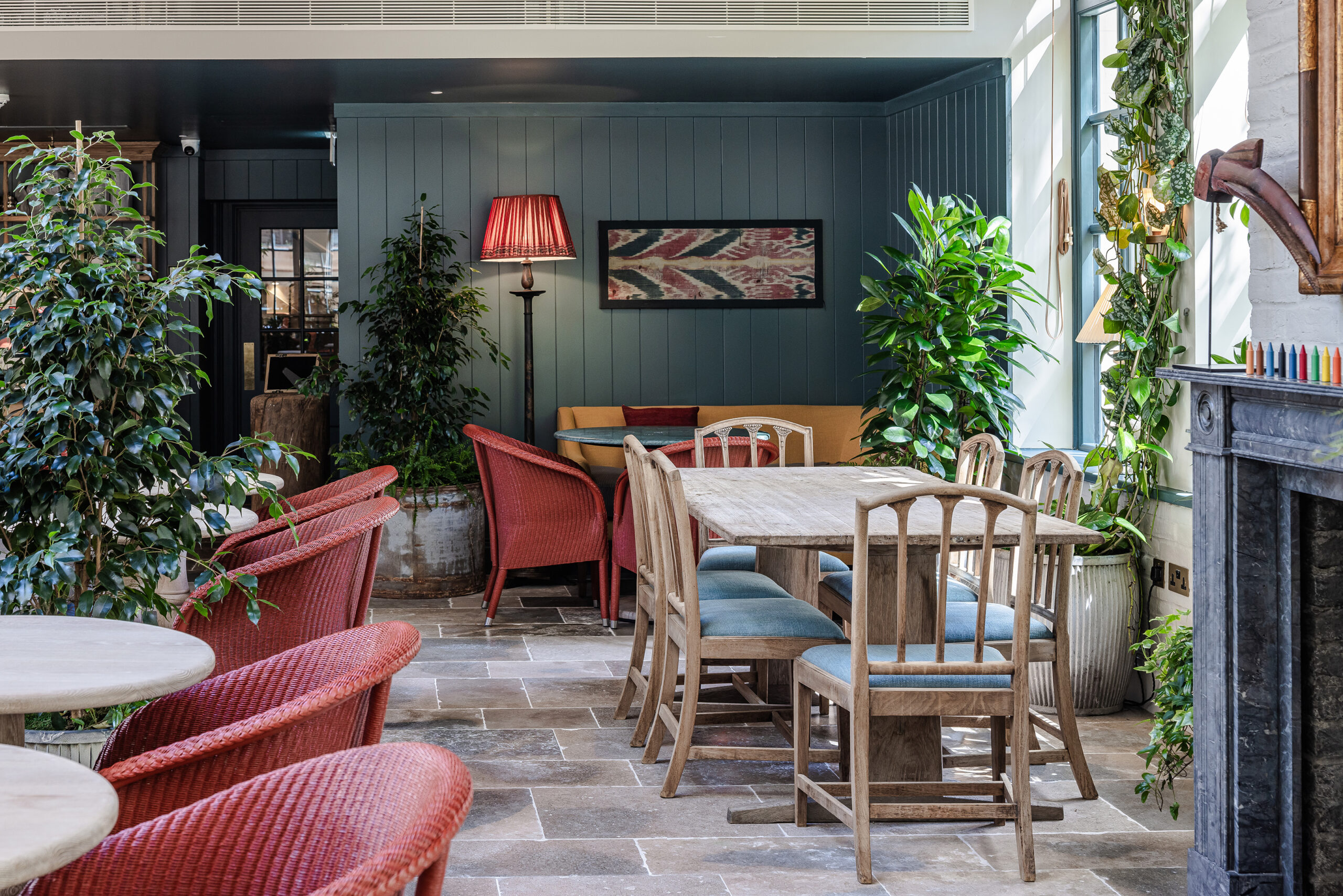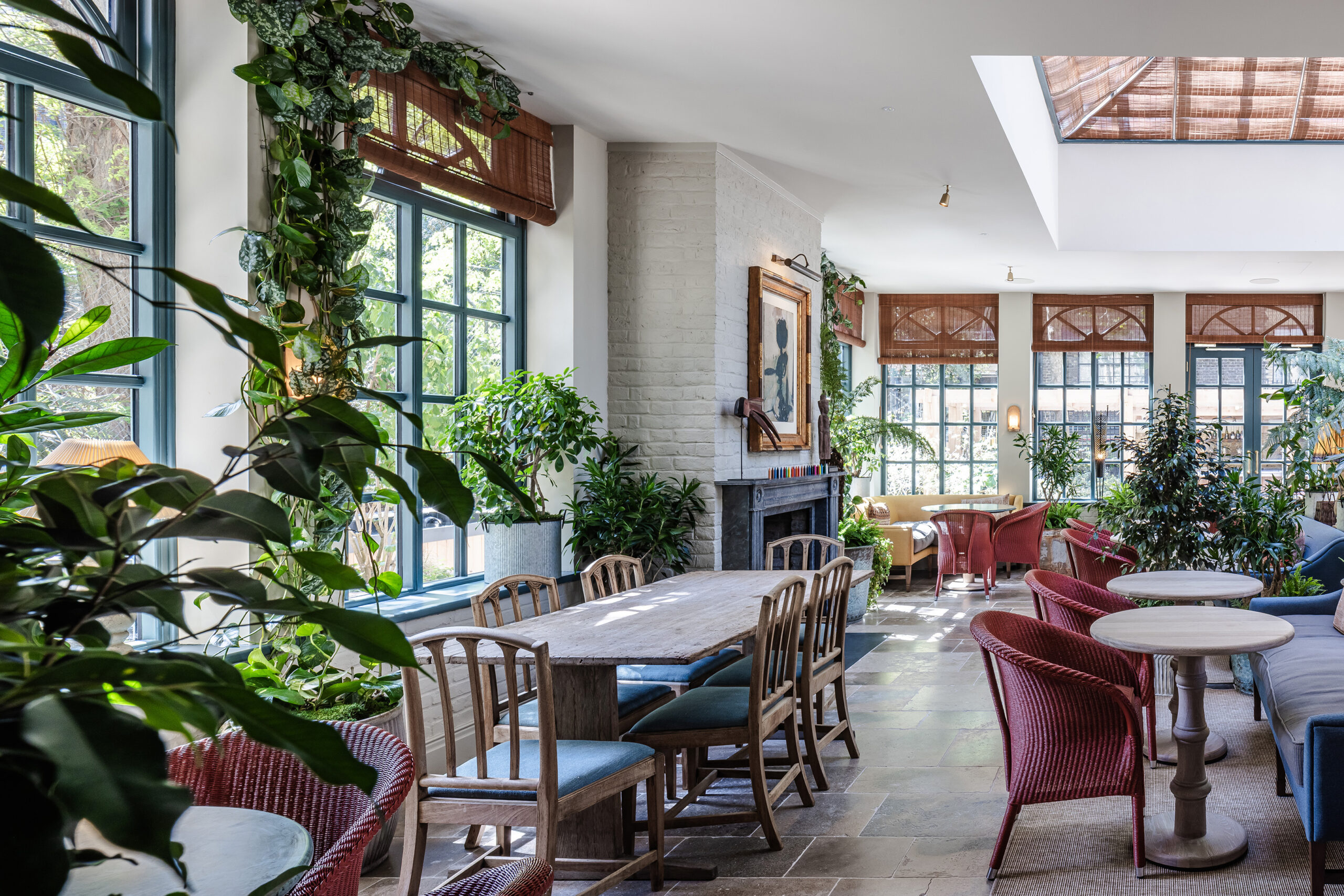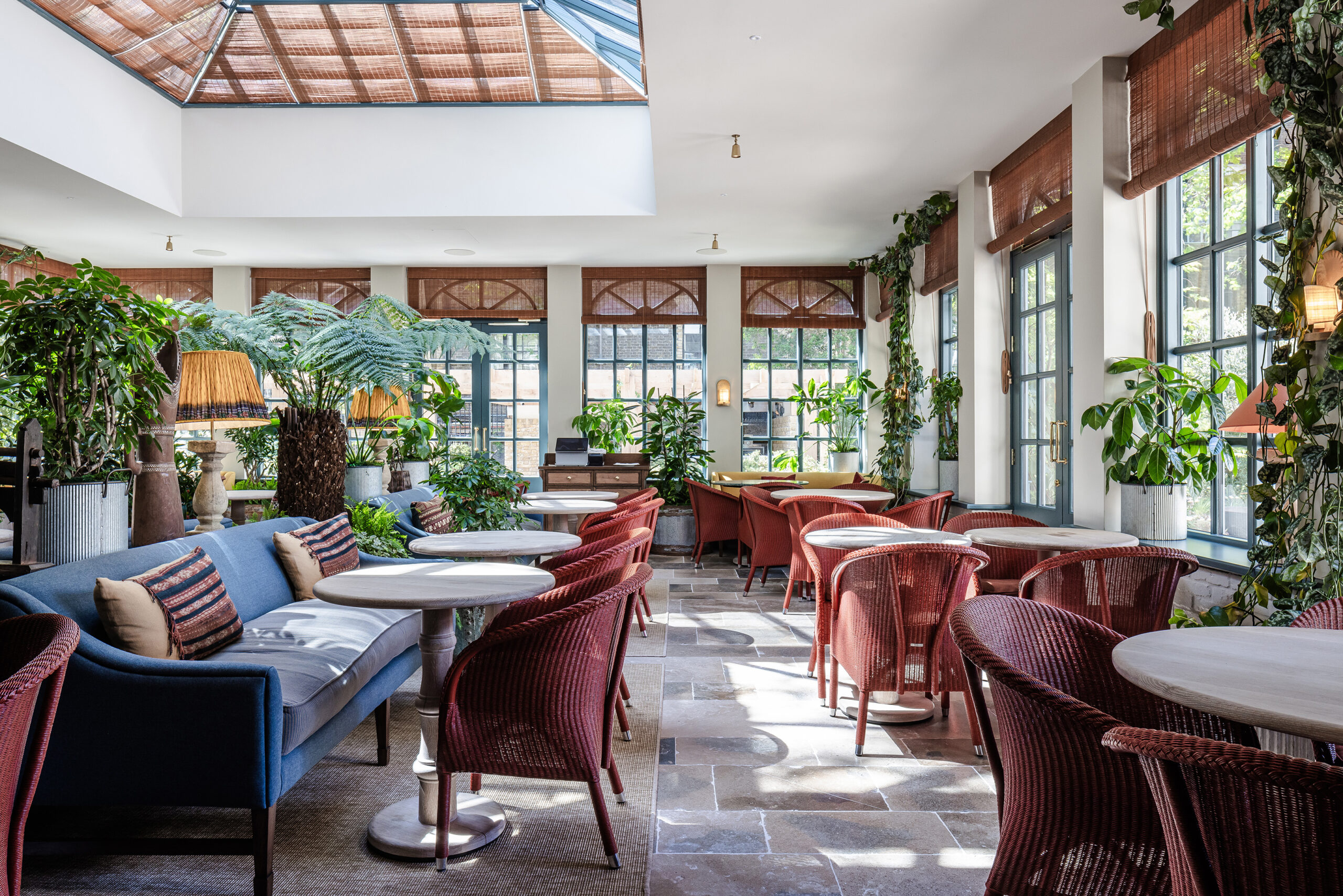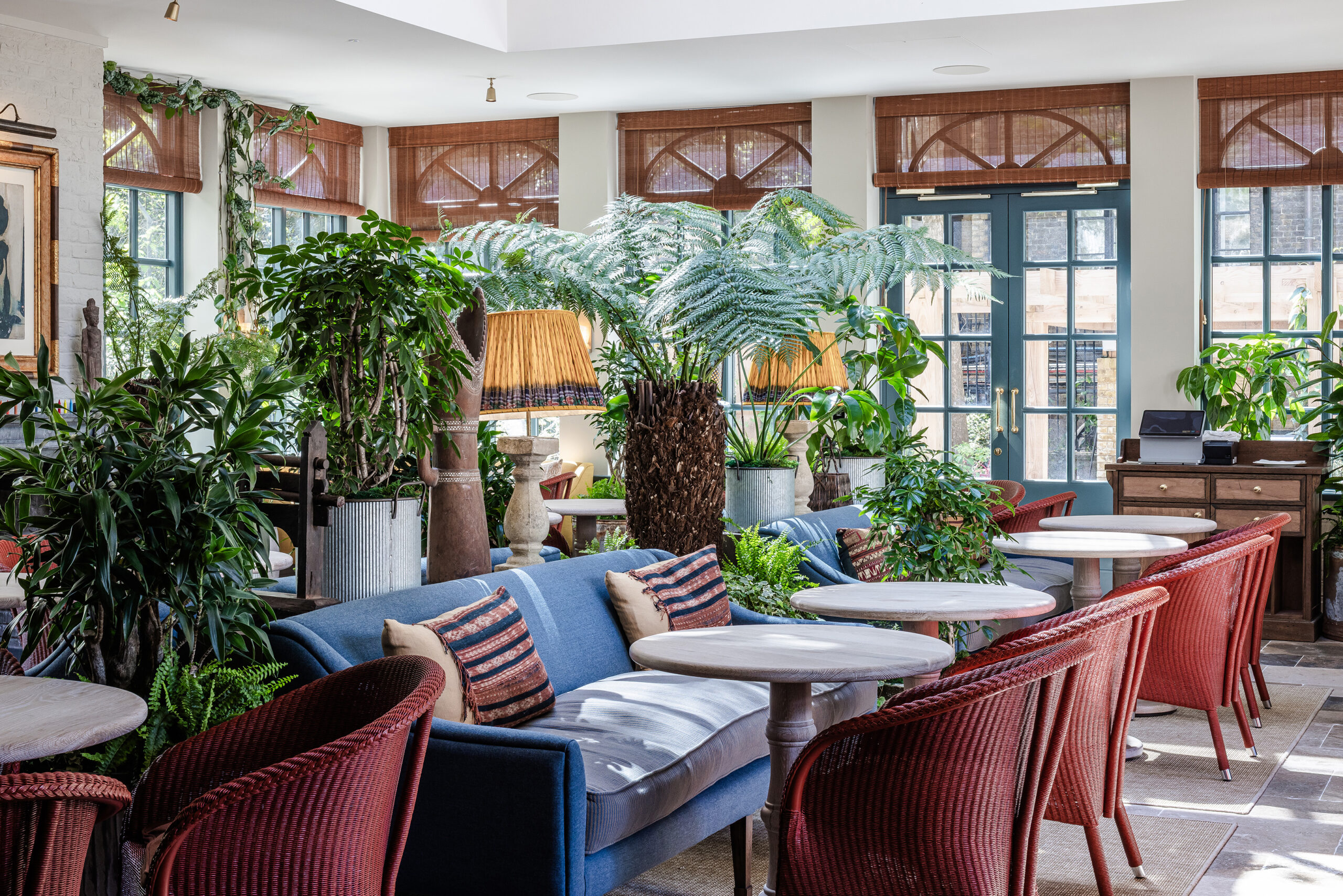

Opposite the British Museum and housed within six interconnected Georgian townhouses, The Zetter Bloomsbury is a carefully considered addition to one of London’s most culturally rich neighbourhoods. This 68-bedroom boutique hotel combines elegant period architecture with interiors designed by James Thurstan Waterworth.
Leaflike was appointed to install live interior and exterior planting throughout the hotel, working in close collaboration with the project team to create a scheme that feels genuinely at home within these historic spaces.
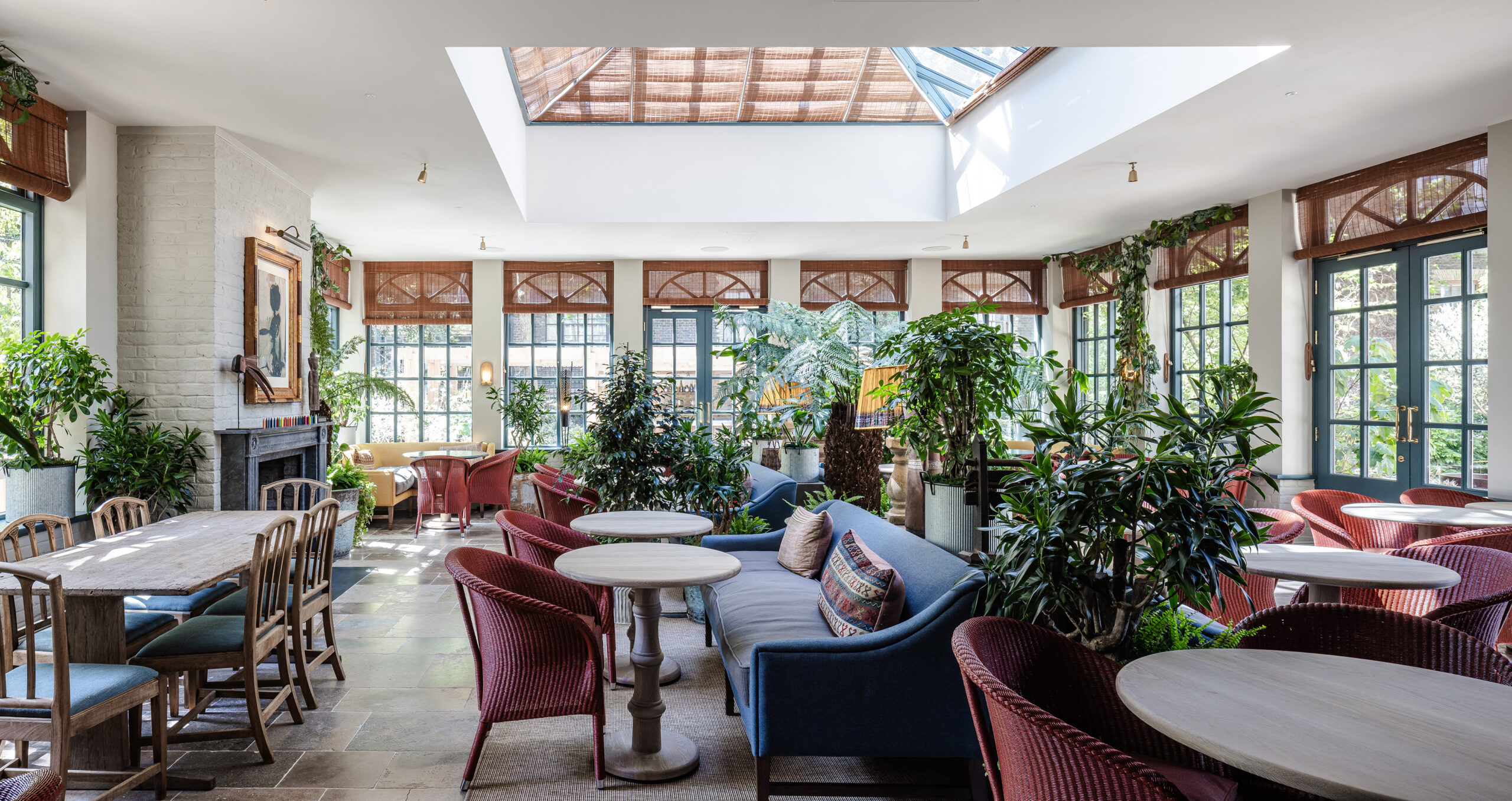
Planting with a sense of place
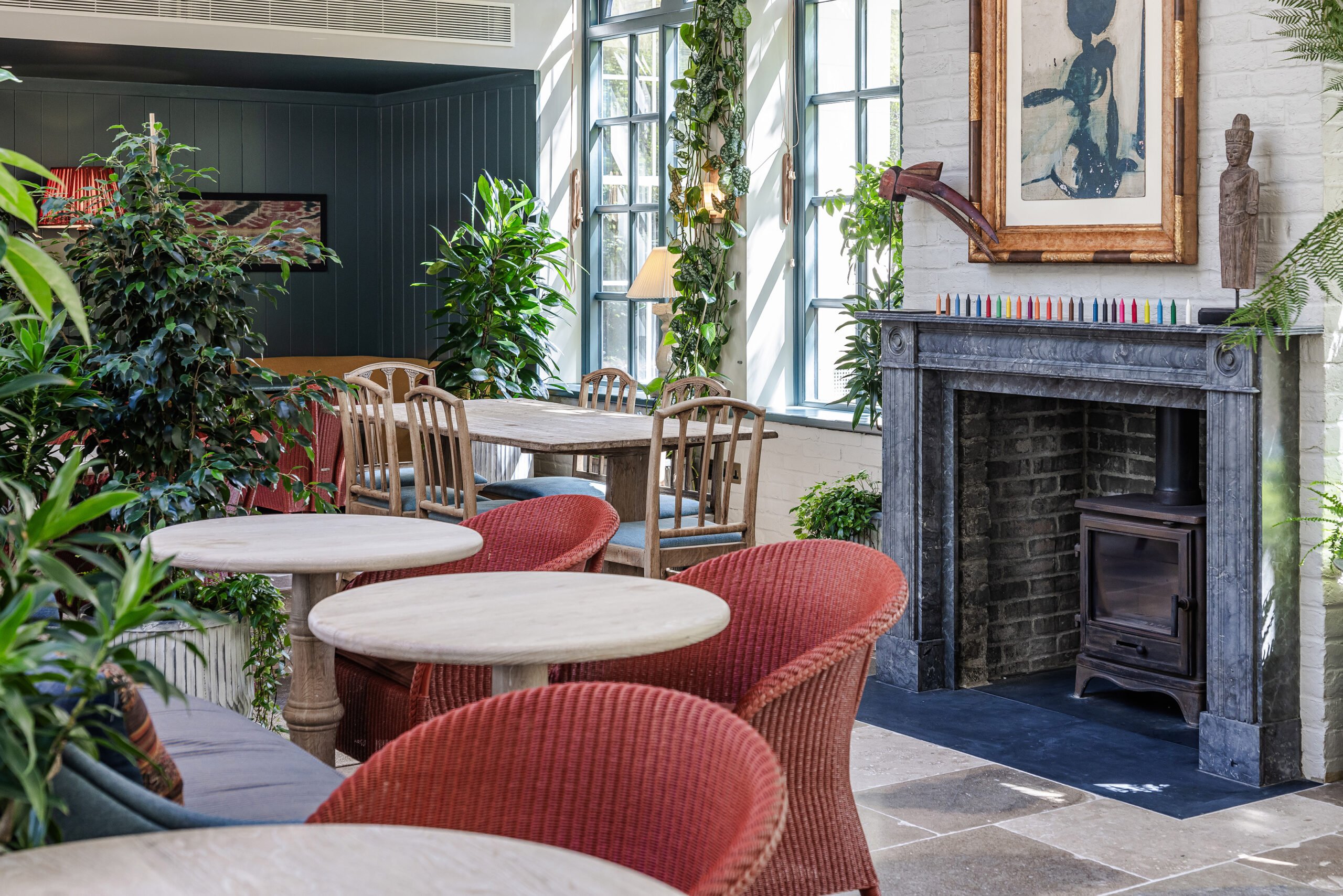
The setting presented a distinctive creative challenge: how to introduce biophilic design into richly decorated, heritage-led interiors without it feeling like an afterthought or a trend. The Georgian bones of the building, combined with Thurstan Waterworth’s layered, traditional aesthetic, called for planting that felt rooted and considered rather than contemporary or styled.
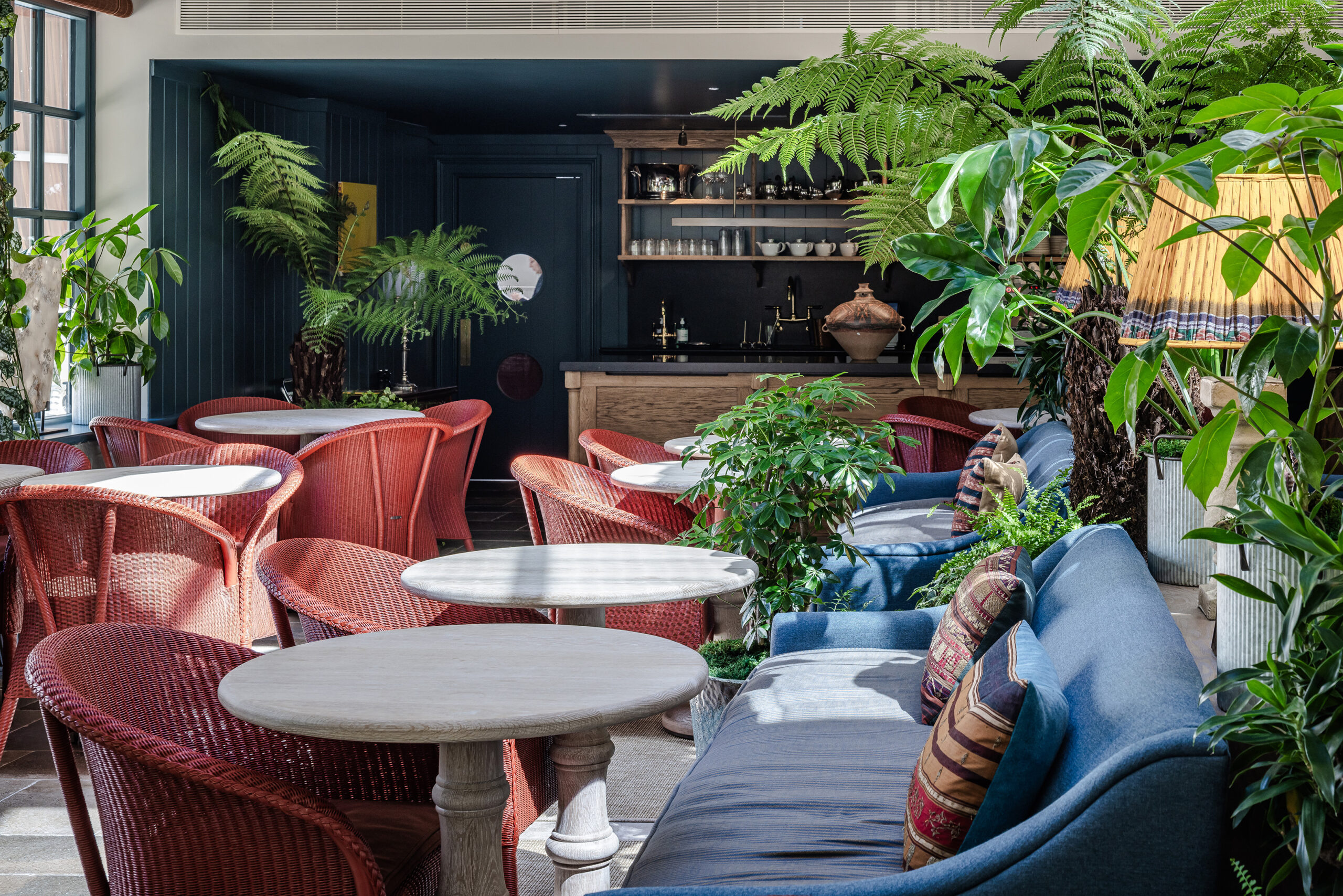
Working across spaces of varying scale and light levels, Leaflike’s approach prioritised plants with genuine presence – species that carry a sense of age and character. Tree ferns (Dicksonia antarctica) introduce architectural drama and a quiet sense of the ancient, their textured trunks and spreading fronds lending depth to spaces that might otherwise feel enclosed. Ficus elastica adds sculptural form and bold foliage, while Schefflera brings a softer, spreading canopy that works well in spaces with variable light.
Throughout, the brief was to achieve a natural, unstaged quality; greenery that appears to belong rather than to perform.
The brief
Working within compact, townhouse-style rooms demanded close attention to scale and placement. Every plant had to earn its position: contributing to the atmosphere of a space without competing with the existing interior or creating visual clutter in rooms already rich with texture, colour, and detail.
Light levels varied considerably across floors and aspects, a practical constraint that shaped species selection at every stage. The solution was a carefully curated palette of plants well-suited to the gentler conditions typical of period buildings, rather than defaulting to species better suited to bright, contemporary interiors.
The result is a hotel where the plants feel less like a design feature and more like a natural part of the building’s story. It’s as if they have always been there.
Project Partners: The Zetter Hotel Group, Thurstan (interior design), Orca Holding